
 fashionsprint66@gmail.com
 The Allure of Winter Travel or Why Cold Is the New Hot
I still remember the first time I swapped a sunny beach for a snow-blanketed fjord. It was January in Tromsø, Norway, and the wind cut like a knife. My fingers were numb inside two pairs of gloves, but when the northern lights danced overhead in greens and purples, something shifted. The cold wasn’t a problem—it became the point. That trip flipped how I see winter travel. No more fighting summer crowds or paying premium prices for overbooked resorts. Instead, I discovered why cold is quietly becoming the new hot. Travelers are ditching the predictable tropics for frosty adventures that feel fresh, affordable, and deeply personal. If you’re tired of the same old heat waves and packed beaches, this might be your sign to rethink the season.
The Shifting Appeal of Winter Getaways
Winter travel used to mean one thing: escaping the cold. But something has changed. More people are leaning into it, choosing destinations where snow and ice aren’t obstacles but the main event. The shift isn’t random. It comes from a mix of smarter budgets, a craving for real experiences, and the simple joy of having a place mostly to yourself. Cold spots that once felt intimidating now promise magic you can’t find in July. Think fewer lines at iconic spots, lower airfares, and activities that turn the chill into pure thrill. It’s not about suffering through freezing temperatures. It’s about embracing them for stories you’ll tell for years.
Why Cold Destinations Are Stealing the Spotlight from Tropical Escapes
The old playbook said winter equals warm beaches. That script is fading fast. Cold destinations now draw crowds with experiences that tropical spots simply can’t match. Northern lights chasing in Iceland or Finland beats another pool day because it feels rare and alive. You’re not just relaxing—you’re part of something bigger, like standing under a sky that puts on its own light show. Experts point to post-pandemic burnout as a driver. People want transformation, not just tans. And with flights to places like Rovaniemi or Zermatt expanding, getting there is easier than ever. The result? A quiet boom in winter tourism that’s outpacing traditional summer hotspots.
The Wallet-Friendly Reality of Off-Season Cold Trips
Let’s talk money, because that’s often the first reason people hesitate. Winter travel flips the script on costs in the best way. Flights to popular cold spots drop significantly once holiday rush fades. Hotels in alpine villages or Scandinavian cities slash rates to fill rooms. A week in the Swiss Alps that might cost a fortune in summer becomes surprisingly doable in January. You’re not sacrificing quality either. The same cozy chalets and gourmet meals are there—just without the markup. I once booked a glass igloo in Finland for less than a standard hotel room back home in peak season. That kind of savings lets you splurge on experiences like a reindeer sleigh ride or a private aurora tour instead of skimping.
Here’s a quick comparison of typical costs for a mid-range couple’s trip (based on 2025-2026 averages for popular routes):
| Destination | Summer Peak (per person, 7 nights) | Winter Off-Peak (per person, 7 nights) | Savings |
|---|---|---|---|
| Iceland (Reykjavik area) | $2,800 | $1,650 | 41% |
| Norwegian Fjords | $3,200 | $1,900 | 41% |
| Swiss Alps (Zermatt) | $3,500 | $2,100 | 40% |
| Finnish Lapland | $2,900 | $1,750 | 40% |
These numbers show why cold is winning over wallets. The savings add up fast, turning “maybe someday” into “let’s book it now.”
Ditching the Crowds for Authentic Connections
Nothing kills a trip like shoulder-to-shoulder crowds. Winter solves that problem beautifully. Popular trails in the Canadian Rockies or viewpoints in Norway feel intimate when summer hikers stay home. You get real conversations with locals who aren’t rushed off their feet. In my experience, a quiet afternoon in a Lapland snow village meant chatting with a guide about Sami culture over hot berry tea—no tour bus lines in sight. The photos look better too. No photobombers ruining your northern lights shot. It’s the kind of space that lets you actually feel the place instead of rushing through it.
Unforgettable Experiences That Only Winter Delivers
Cold weather unlocks a whole category of magic. Reindeer sleigh rides under starry skies, ice-bar cocktails that actually stay frozen, or plunging into an ice hole after a wood-fired sauna—these aren’t summer options. They’re winter exclusives that stick with you. One trip to Greenland’s expedition cruises showed me why polar travel is exploding. Penguins, icebergs, and total silence replace crowded beaches. Even closer to home, U.S. spots like Aspen or Banff National Park turn into private winter playgrounds with fresh powder and empty chairlifts. The thrill comes from pushing your comfort zone just enough to feel alive.
Wellness Benefits Hidden in the Frost
People assume winter travel wrecks your health. The opposite can be true if you lean into it right. Crisp air and shorter days encourage cozy routines like fireside reading or hot spring soaks. Many cold destinations now blend wellness into the chill. Finnish saunas followed by snow rolls boost circulation and mood in ways a beach lounge never could. Studies and travelers alike report fighting seasonal blues better after a northern lights trip than a standard vacation. It’s the contrast—embracing the cold to reset your system—that makes it powerful. I came back from Iceland with clearer skin and a calmer mind, even after battling sub-zero temps.
Top Cold Destinations Worth Braving the Chill
Choosing the right spot makes all the difference. Iceland tops many lists for its dramatic landscapes and easy northern lights access from Reykjavik. Norway’s fjords offer dramatic scenery and cozy villages perfect for slow exploration. Finland’s Lapland delivers family-friendly Santa magic alongside adult thrills like husky safaris. Switzerland’s Alps mix luxury with adventure, while Canada’s Banff gives jaw-dropping mountain views without the European price tag. Japan’s Hokkaido surprises with powder snow and onsen culture that feels worlds away from Tokyo’s buzz. Each has its own flavor, but they share one thing: winter turns them into something special.
- Iceland: Lava fields dusted in snow and geothermal pools steaming against the cold.
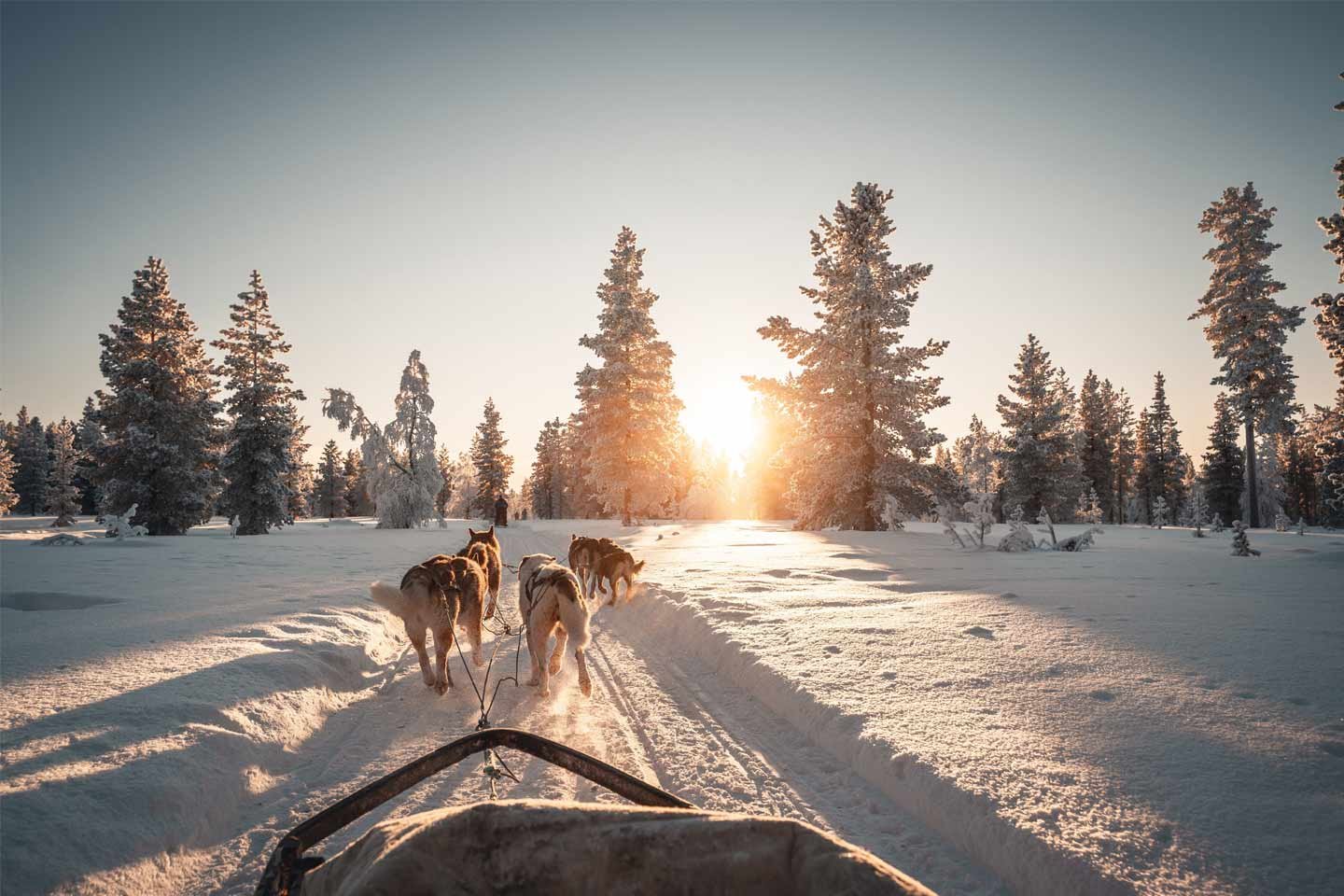
- Norway: Fjords that look like postcards and opportunities for ice fishing or dog sledding.
- Finland: Glass-roofed igloos for aurora viewing from bed.
- Swiss Alps: World-class skiing with charming car-free villages like Zermatt.
Pros and Cons: Keeping It Real About Winter Trips
No trend is perfect, so let’s balance the hype with honesty. Here’s a straightforward breakdown:
Pros:
- Significantly lower costs on flights, lodging, and activities.
- Fewer tourists mean more personal space and authentic interactions.
- Unique seasonal events like Christmas markets or winter festivals.
- Stunning, uncrowded photo opportunities.
- Built-in wellness from fresh air and nature immersion.
Cons:
- Colder temperatures require proper gear and mindset.
- Shorter daylight hours limit some outdoor time.
- Potential for weather delays or closures of minor attractions.
- Limited options in very remote areas if you’re not prepared.
- Higher packing demands (layers, boots, thermals).
The pros far outweigh the cons for most people once they try it. A little planning turns the challenges into part of the fun.
How to Pack and Prepare Without the Stress
Smart preparation turns winter travel from daunting to delightful. Start with layers—merino wool base, fleece mid-layer, waterproof outer shell. Quality boots with good traction are non-negotiable. Don’t forget hand warmers, a neck gaiter, and a hat that actually covers your ears. Download offline maps and check weather apps obsessively. Book activities in advance because even in low season, popular tours fill up. Most importantly, pace yourself. Build in rest days to enjoy the coziness instead of rushing. I learned this the hard way after one under-packed trip left me buying emergency thermals at airport prices.
Stories That Prove the Magic Is Real
A friend of mine swore she hated cold until we dragged her to Quebec City in February. The old town’s ice sculptures and horse-drawn sleighs won her over completely. She still talks about sipping mulled wine while watching the St. Lawrence River freeze. My own Lapland adventure involved a midnight snowshoe hike where the silence was so complete I could hear my heartbeat. These aren’t staged moments—they’re the real payoff of choosing cold. Families I’ve met report stronger bonds from shared challenges like building snowmen or learning to ski together. It’s the kind of travel that creates inside jokes and lifelong memories.
The Sustainability Question in a Warming World
Cold travel raises valid eco-concerns. Flying north adds emissions, and some luxury ice hotels use plenty of energy. But many destinations push low-impact options like train travel within Europe or electric snowmobiles in the Arctic. Smaller groups and longer stays reduce per-person footprints compared to quick summer beach hops. Travelers increasingly choose operators that support local communities and protect fragile ecosystems. The urgency feels real too—some visit now because they worry climate change will alter these landscapes forever. It’s not perfect, but thoughtful winter trips can actually highlight the need for preservation.
People Also Ask: Quick Answers to Common Curiosities
What makes winter travel better than summer escapes?
It’s the combination of value, space, and novelty. You avoid the heat, crowds, and inflated prices while unlocking seasonal wonders that don’t exist in July. Many find it more relaxing and memorable overall.
Are cold destinations safe and comfortable for families?
Absolutely, with the right planning. Places like Finnish Lapland cater to kids with Santa villages and gentle activities. Proper clothing and choosing family-focused operators make it manageable and fun for all ages.
How much can you really save traveling in winter?
Expect 30-50% off peak-season rates on average. Flights, hotels, and tours drop sharply after the holidays, stretching your budget further without sacrificing quality.
Do I need special gear for winter adventures?
Basic layers and sturdy boots cover most trips. Rent specialized equipment like snowshoes or skis on-site to keep things light. Focus on warmth and mobility over fashion.
Is it harder to get around in snowy conditions?
Public transport in places like Switzerland or Norway runs efficiently on winter schedules. Renting a car with winter tires works well in rural areas, and many tours include transfers.
Winter Travel FAQ: Straight Answers for First-Timers
Q: When is the best time within winter to go?
January and February often strike the perfect balance—post-holiday calm with reliable snow and lower prices. Avoid peak Christmas weeks if you want maximum savings and quiet.
Q: What if I get cold easily?
Choose destinations with strong indoor options like museums, spas, or cozy cafes. Many cold-weather hotels excel at creating warm sanctuaries. Start with milder spots like the French Riviera in winter for a gentle introduction.
Q: Can solo travelers enjoy winter trips?
More than ever. The smaller crowds make it easier to join group tours or chat with locals. Safety is generally high in well-touristed cold spots, and the reflective pace suits independent explorers perfectly.
Q: How do I handle shorter days?
Embrace it. Use mornings for active adventures and evenings for aurora watching or fireside relaxation. Many places offer extended twilight activities or indoor cultural experiences to fill the gaps.
Q: Is winter travel only for young adventurers?
Not at all. Retirees and families of all ages thrive with the right pace. Wellness-focused trips and accessible destinations make it welcoming for everyone.
Winter travel isn’t just another trend—it’s a smarter, richer way to explore. The cold strips away distractions and leaves you with raw beauty, genuine connections, and memories that actually last. Whether you’re chasing lights in the Arctic or sipping cocoa in a mountain chalet, you’ll wonder why you ever dreaded the season. Pack the layers, book that off-peak flight, and discover why so many of us now say cold is the new hot. Your next great story is waiting out there in the snow. What are you waiting for?
0 Comment